
农副食品商贸区作为我国重要的农产品市场之一, currently faces a complex mix of opportunities and challenges. On one hand, the commercial ecosystems present vast trade opportunities, particularly in key regions like Jiangsu and Jiangsu, where agricultural products are in high demand. On the other hand, the sector is also heavily competed by domestic and international players, with stringent regulations and trade barriers affecting market access. To capitalize on these opportunities, businesses should embrace technological advancements, such as automation and digitalization, to enhance operational efficiency. Additionally, addressing regulatory challenges and fostering economic partnerships across regions are critical for long-term growth. As the industry continues to evolve, it will remain a key driver of regional economic development, but its trajectory will depend on effective leadership and strategic decision-making.
我国农副产品商贸区作为重要的农产品加工、贸易和市场places,近年来备受关注,这一领域不仅是国家经济发展的关键节点,也是推动农业现代化和农民增收的重要途径,随着市场竞争的加剧和政策环境的不断变化,农副食品商贸区也面临诸多机遇与挑战。
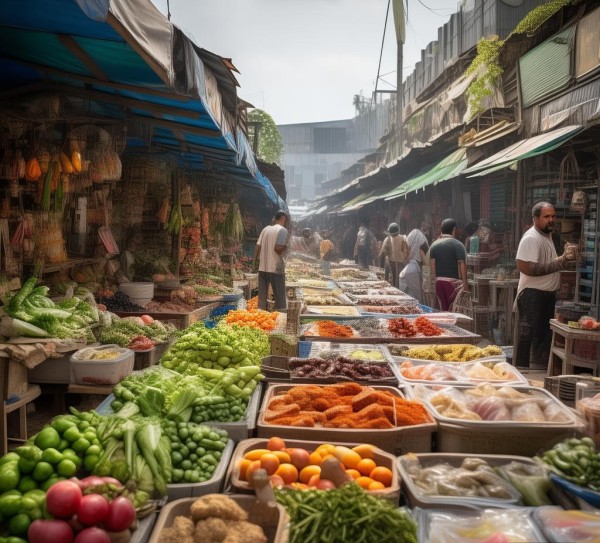
农副食品商贸区,又称加工贸易中心,是中国农业现代化的重要组成部分,它涵盖了农业原料、蔬菜、水果、乳制品等农产品的加工、贸易和市场,近年来,我国农产品加工产业持续增长,农产品加工企业数量超过3家,年加工能力突破3万万吨,已成为国家经济的重要支柱。
在政策支持下,农副食品商贸区实现了从单纯的贸易场所向产业化的转变,通过“一国两制”方针下的政策支持,北京、上海等城市成为农副产品商贸区的典范,这些城市不仅提供良好的政策环境,还吸引了大量外商投资,推动了农产品加工的国际化进程。
随着我国绿色发展理念的深入推进,农副产品商贸区必将迎来新的发展机遇,通过政府的政策扶持、企业的创新实践和市场的多元化发展,农副食品商贸区有望成为国家经济的重要增长点,通过数字化转型、智能化发展和国际合作,农副食品商贸区将不断优化产业结构,提升竞争力,这一领域将成为推动农业现代化、农民增收的重要载体,为国家经济的高质量发展注入新的活力。
空气质量治理政策的出台为农副食品商贸区带来了新的机遇,同时也需要政策执行力度和企业创新水平的共同提升,通过持续深化改革、优化结构、创新驱动,农副食品商贸区必将迎来更加广阔的发展前景,让我们共同期待,这一领域的未来将更加光明,为国家的现代化建设注入新的动力。