
The Global Trade Revolution: A Modern Era of Economic Transformation explores the transformative changes that have occurred in the global economy, driven by globalization, the rise of the internet, and technological advancements. This era, often referred to as the "Global Trade Revolution," has reshaped trade systems, economic dependencies, and global supply chains. Key milestones include the collapse of trade barriers, the digitalization of business, and the rise of new economic models that emphasize efficiency, sustainability, and innovation. The transformation is driven by partnerships, collaborations, and the establishment of new regulatory frameworks. Notable figures and organizations, such as the World Trade Organization and the Silicon Valley-based tech companies, have played pivotal roles in shaping this new era of economic transformation. As the world continues to adapt to these changes, the Global Trade Revolution remains a critical driver of growth, stability, and progress in the global economy.
In a world where businesses have access to raw materials and markets worldwide, the nation that you live in plays a crucial role in shaping the course of global trade. The economic revolution of the 21st century has been defined by the rise of global trade, a phenomenon that has redefined how businesses operate and interact. As the world becomes increasingly interconnected, the role of a single country in the global economy has never been more apparent. This article explores the significance of global trade, the challenges it presents, and the opportunities it creates.
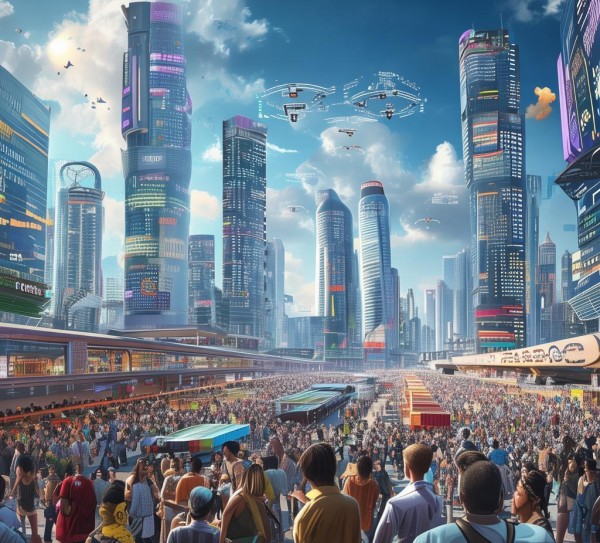
The concept of global trade emerged during the Industrial Revolution, as countries began to realize the benefits of international trade. Before the widespread use of railways and the internet, trade was limited to the vast oceans of the world. Today, global trade is facilitated by customs unions, multilateral trade agreements, and the global supply chain. These mechanis have created a new level of efficiency and connectivity, enabling businesses to operate across borders and connect with global markets.
One of the most significant aspects of global trade is its ability to disrupt traditional industries. For example, the rise of e-commerce has transformed traditional retail sectors, while the global supply chain has reshaped manufacturing and transportation. Global trade has also redefined industries, such as agriculture, where global trade has become a critical component of global supply chains.
Despite the benefits, the rise of global trade has also brought challenges. The global trade system is increasingly complex, with multiple countries involved in trade negotiations and numerous trade rules and regulations. Trade barriers, such as tariffs, quotas, and import restrictions, can significantly impact the value of goods exported from one country to another.
Moreover, the global trade system is subject to political interference. Many countries have imposed trade policies to protect their industries and consumers, which can create tension between nations and undermine the common interests of the global community. Trade agreements, while important, are often met with resistance and disputes, which can erode the stability of the global trade system.
As the global trade system continues to evolve, it will be shaped by the need to address climate change and other global challenges. The international community is increasingly recognizing the importance of reducing carbon emissions and promoting sustainable practices, which are essential for a thriving global economy. The success of global trade will depend on the ability of countries to adapt to these challenges and work together to ensure the long-term sustainability of the global trade system.
Globalization refers to the process of increasing interconnectedness among nations through the exchange of goods, services, and information. This process has led to a global economy characterized by free trade, open markets, and a global supply chain. The global economy has become one of the most dynamic and competitive in history.
The globalization of trade has created new opportunities for businesses. For instance, global companies can leverage their resources and expertise to serve global markets, while aller companies can scale their operations to meet the demands of global consumers. Globalization has also democratized access to global markets, making them more accessible to both developed and developing economies.
However, globalization also brings challenges. The global trade system is increasingly complex, with multiple countries involved in trade negotiations and numerous trade rules and regulations. Trade barriers, such as tariffs, quotas, and import restrictions, can lead to higher prices for consumers and reduced economic growth. Additionally, the global trade system is subject to political, economic, and social changes, which can disrupt trade flows.
Moreover, the global trade system is vulnerable to economic and social changes. As the world evolves, trade systems must adapt to new technologies, industries, and consumer behaviors. This requires countries to develop new trade policies and mechanis to ensure the long-term sustainability of the global trade system.
As the global trade system continues to evolve, the role of each country will become more complex. Countries will need to develop new trade policies and mechanis to ensure the sustainability of the global trade system. At the same time, the global trade system will need to adapt to the needs of the global economy, ensuring that it remains a vital force in the world's economy.
The challenges of global trade are numerous and multifaceted. Modern trade systems are highly complex, with multiple countries involved in trade negotiations and numerous trade rules and regulations. Trade barriers, such as tariffs, quotas, and import restrictions, can significantly impact the value of goods exported from one country to another.
Global trade systems are also subject to political interference. Many countries have imposed trade policies to protect their industries and consumers, which can create tension between nations and undermine the common interests of the global community. Trade agreements, while important, are often met with resistance and disputes, which can erode the stability of the global trade system.
Moreover, the global trade system is vulnerable to economic and social changes. As the world evolves, trade systems must adapt to new technologies, industries, and consumer behaviors. This requires countries to develop new trade policies and mechanis to ensure the long-term sustainability of the global trade system.
As the global trade system continues to evolve, the role of each country will become more complex. Countries will need to develop new trade policies and mechanis to ensure the sustainability of the global trade system. At the same time, the global trade system will need to adapt to the needs of the global economy, ensuring that it remains a vital force in the world's economy.
Looking to the future, the global trade system will continue to evolve as the world becomes increasingly interconnected. The rise of digital trade systems, such as e-commerce and blockchain technology, offers new opportunities for global trade. The global trade system will also be shaped by the need to address climate change and other global challenges.
As the global trade system continues to evolve, the role of each country will become more complex. Countries will need to develop new trade policies and mechanis to ensure the sustainability of the global trade system. At the same time, the global trade system will need to adapt to the needs of the global economy, ensuring that it remains a vital force in the world's economy.
In conclusion, global trade is a transformative force that will continue to shape the future of the world. The rise of globalization has created new opportunities for businesses and individuals, while it also presents significant challenges. As the global trade system continues to evolve, it will play a crucial role in shaping the course of the global economy. The future of global trade is bright, but it will also require bold innovation, adaptability, and cooperation among the global community.